
-
Part 28/38. Timeline. Learning Moho from beginner to expert.
Day 28 / 38 – Moho Interestingly, this lesson focuses on the Timeline, an interesting choice considering we’ve already been using it for much of the course. Instead of throwing us straight into the technical weeds, the course teaches the Timeline through use first: repetition, experimentation, and a few (or a bit more than a…
-

Part 12/38. Basic Smart Bones. Learning Moho from beginner to expert
Day 12 / 38 – MohoHere we are, Day 12 of 38. Took a little longer to get here. Spring break happened.The good kind, a few days off the grid with the guys, some sun on the skin, collected sand dollars like they were bit coin, and time stretched out just enough to forget the…
-

Part 11/38. Curvers (and more). Learning Moho from beginner to expert
Day 11 / 38 – MohoGood morning, afternoon, or evening—whatever time of day this post finds you! 😊Day 11 puts us in tail-wagging territory. My little ducky didn’t have a visible tail, so simple kitty (with a tail) to the rescue to help me practice curvers. Things to Know: ✔ Curvers This also meant revisiting…
-

sequoia & kings
Module 3: Cutting to the Chase – Producing and Editing a Narrative and Field Production (Weeks 5 & 6) “God never made an ugly landscape. All that the sun shines on is beautiful, so long as it is wild.” — John Muir. Sequoia and Kings Canyon National Park is a little over an hour drive…
-

an american proverb
Module 2: Seeing The World Through A Frame – Composing the Moving Image (Weeks 3 & 4). READING AND WRITING: Frame rates: 24fps, 30fps* standard Maintaining Axis: imaginary line between two subjects (180degree rule). Rule of Thirds: Imaginary lines are drawn dividing the image into thirds. The most important elements are placed where these lines…
-
lifeboost coffee
After building and running a coffee shop, my love for a good cup of coffee endures. Sadly due to health concerns, I have had to bid farewell to caffeine in my morning brew. Many decaf coffees undergo chemical processing, often resulting in a lack of boldness and flavor that leaves much to be desired. Thankfully,…
-

path to the vote
This semester proved to be quite challenging on many different levels. Although I had to pivot multiple times, I was able to continue to develop my After Effects skills to create a mixed media presentation, using photography, video, 2d animation, and illustration, for Quinnipiac’s IDN 528 collaborative Design for Digital Environments. I am incredibly grateful…
-

IDN 525
I am currently enrolled in an online MS program in Instructional Design & Technology at Quinnipiac University, and I am covering the cost myself, which amounts to $2240 per course. While this approach might slow down my progress due to the substantial expense of each class, I have noticed a significant shift in my expectations…
-

jirafa
INTRODUCTION:Children learn to associate colors with specific objects, for this project red/fire, yellow/sun, and the blue/ocean were used to reinforce everyday experiences. When young children are exposed to colors they begin to make connections that will help to expand their vocabulary. Gift of Curiosity , shares a wonderful article on the importance of learning colors and…
-
counting apples
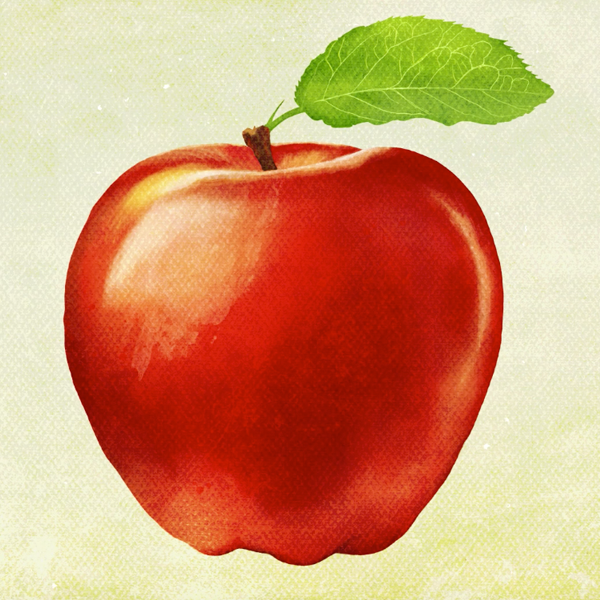
Green, red, yellow, crunchy, sweet, delicious. Did you know, China produces the largest number of apples? Closely followed by the United States, with Washington state boasting over 90% of the organic apple market. The University of Illinois apple facts, states that 2,500 apple varieties are grown in the US and 7,500 are grown throughout the…
-

finley the frog.
The Oxford Owl website, curated by Oxford University Press, is a wonderful learning resource for parents and caregivers with children at home. The site offers support in writing, vocabulary, phonics, reading, a bookshop, and activities. Their website menu is divided into age groups meant to help parents choose age-appropriate books for their little ones. Using…
-
color theory- green.
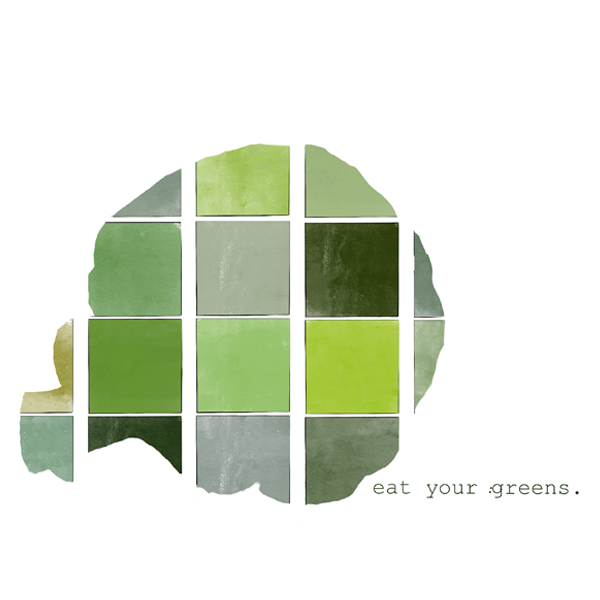
Green is considered a secondary color, and is a mixture of the two primary colors, blue and yellow. However, this gets a bit more complicated when you are talking about screen and print (perhaps a post for another time). There are many wonderful juicy variations of green, warm to cool, light and bright, or dark…
-
color theory.
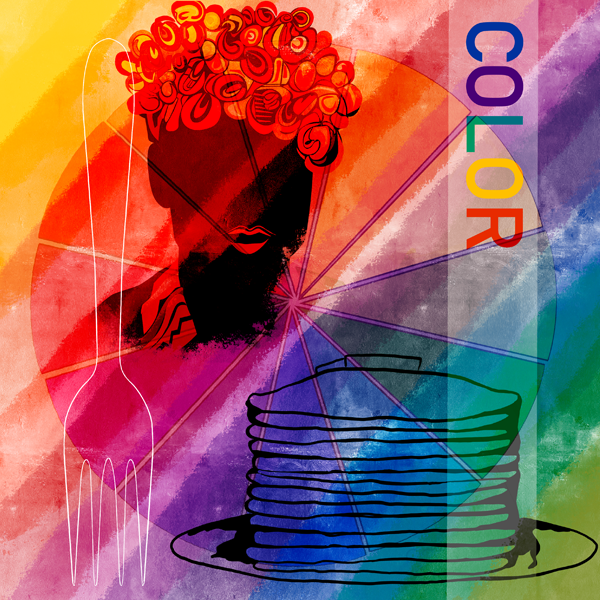
You can see yellow. You can see blue. You can see other colors, too. Dr. Seuss. Color surrounds us. It appeals, repels, and sometimes we are not conscious of it at all. Scientist, artist, and philosophers have all been intrigued by color. Since Sir Isaac Newton wrapped the visible spectrum in a circle, color has…
-

mood in type.
Nouns are everyday utility words, we do things, with, at, on, and around nouns. Most of us can remember the old grade school adage, a noun is a, “person, place, or thing.” Who can blame us then, for thinking nouns are slightly boring, just a bit dry, I mean who wants a noun when a…
-

aperture animation.
Mood Board for IDN 529 Animation Lab. The original idea on this project was to create an animation that introduced aperture, shutter, and ISO to JH or HS students, as part of the exposure triangle. However, having never used AE I quickly narrowed the scope of the project down a simple introduction to Aperture, and…
-

fishy on stage
When I first enrolled in IDN-529 Education Media Design Lab at Quinnipiac University, I had never ventured into the realm of Adobe After Effects. Little did I know that my journey through this instructional design graduate program would ignite a newfound desire to conquer After Effects—yes, I now know it’s quite the challenge. Specifically, I…