
My son loves hamburgers. It’s an unhealthy obsession. He eats a Quad® AND a double-double, and is finally full, a true miracle for an 18-year old boy. Happily, I believe In-N-Out is the only company in 2024 that didn’t get the memo that inflation is happening.
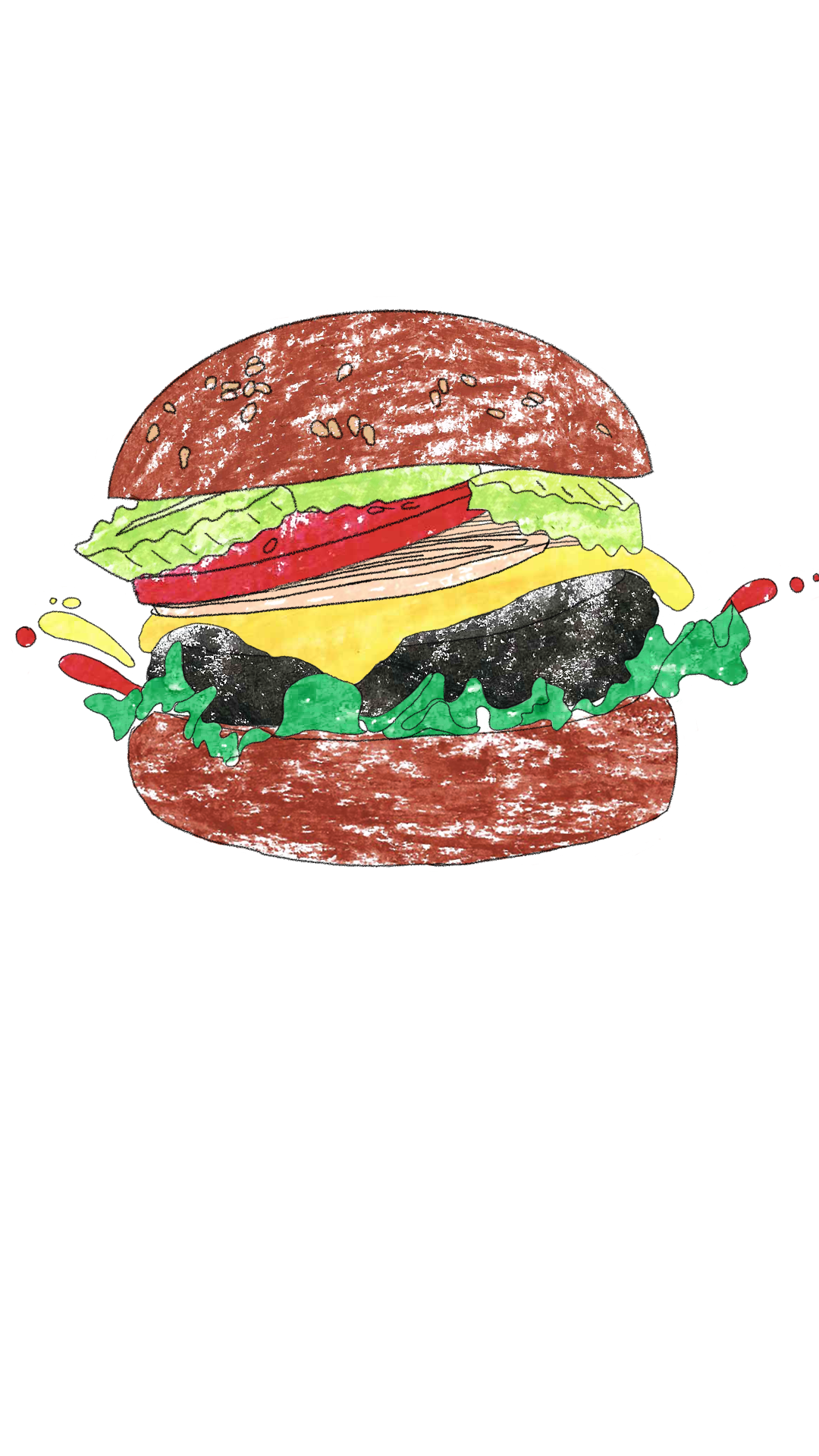
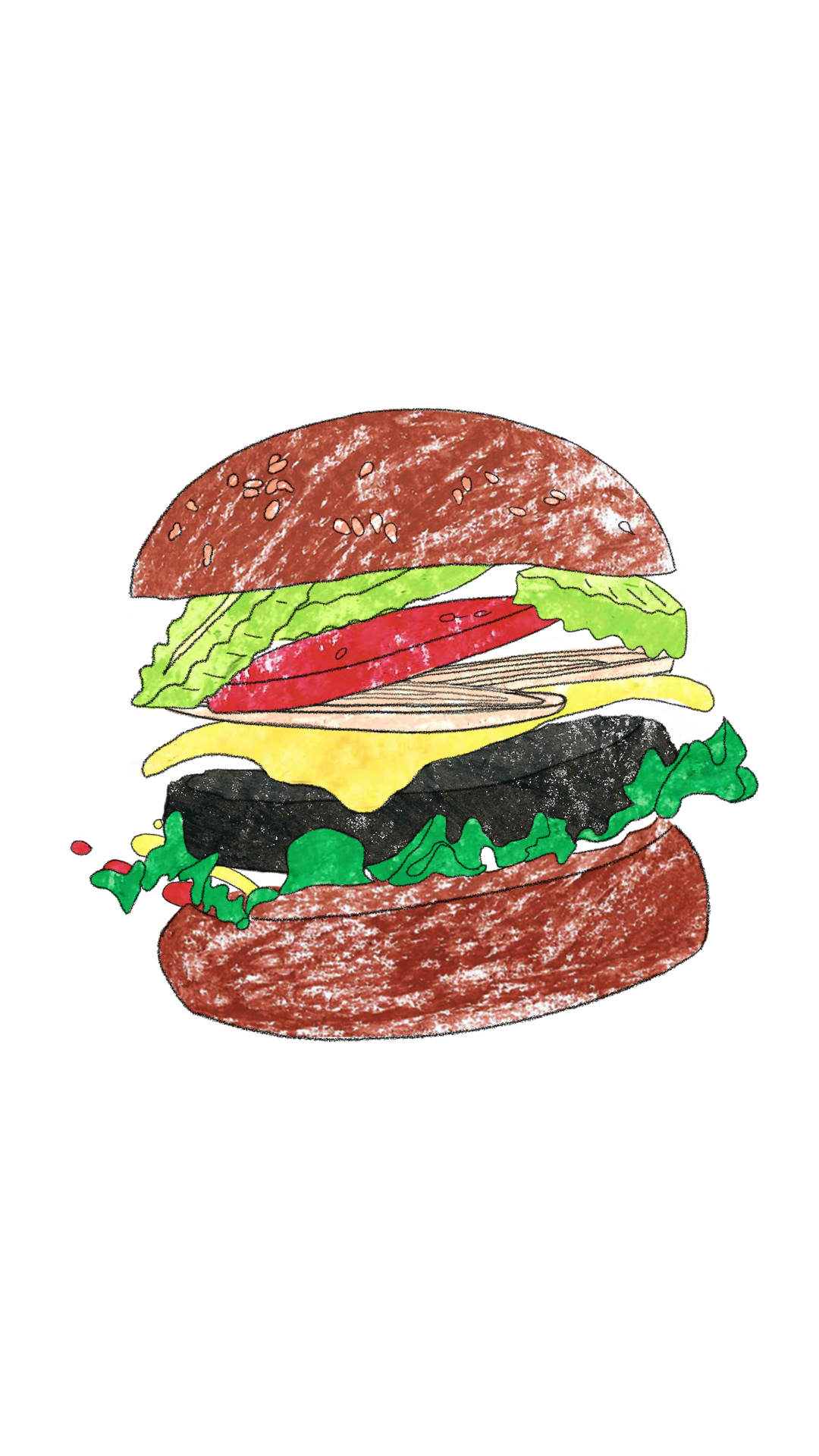
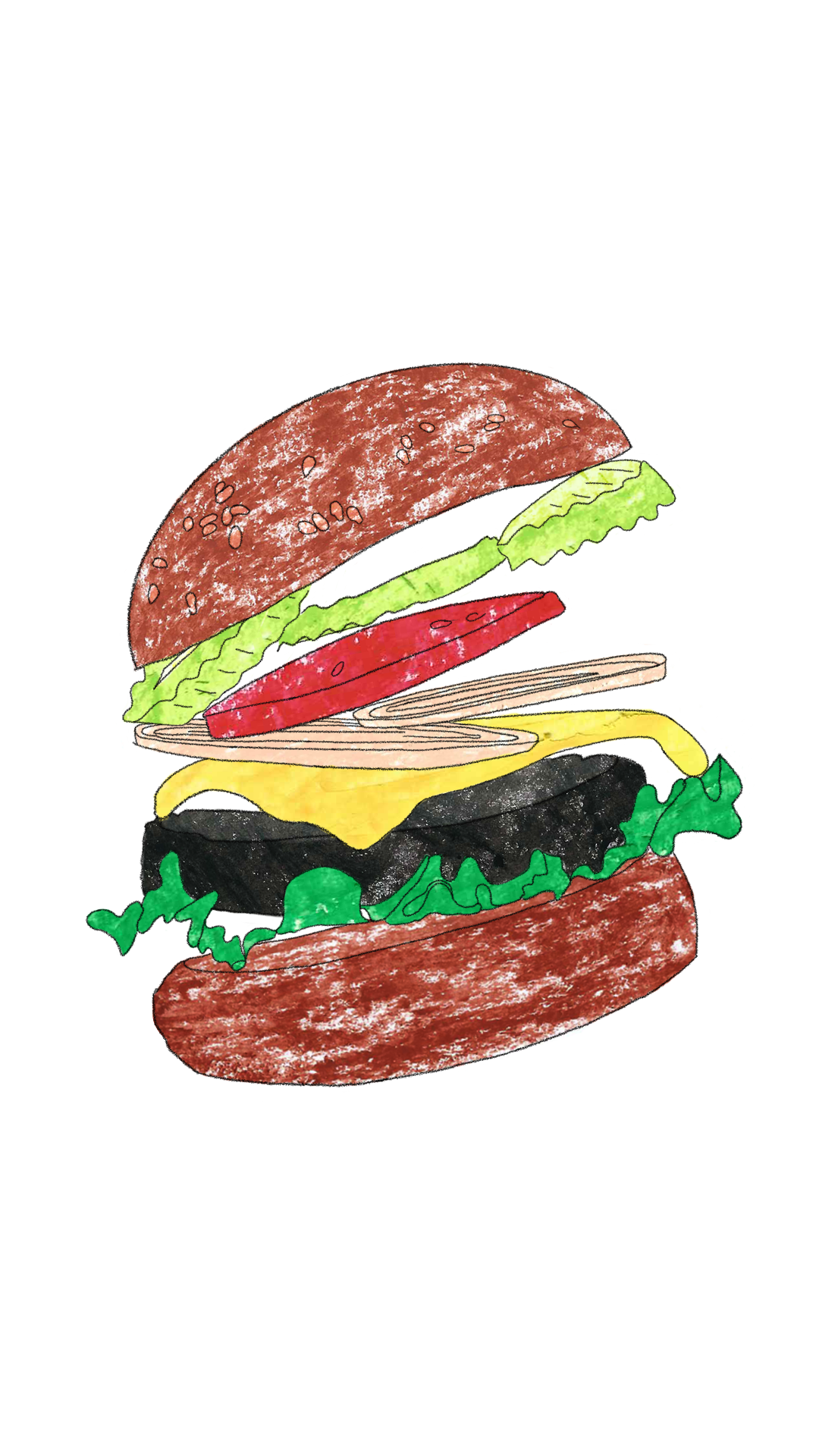
I was excited a to start a new experimental animation project. The idea was to continue blending both analog and digital methods. So, I grabbed the oil pastels and went to work. What a mess—my burger looked like a kindergartener had taken a crayon and scribbled on it. It was ugly. However, in an effort to continue to make something every week, I went back to the original digital animation.
Because I was so focused on simplifying the analog method until I improved, the animation ended up looking rushed. In my eagerness to try new techniques, I overlooked some fundamental animation principles, even though I know better. Whether it was due to laziness or over-excitement—likely a combination of both—it left me questioning why learning something new can be so frustrating. Why must I struggle with being bad at something before I can improve? And why does that persistent voice in my head keep telling me, You’re too old to master this skill… you’ll never get better?
Mistakes Must be Made for Mastery
Roberta Satow, PhD, in Psychology Today, sheds light on this struggle. She explains that our ego takes a hit when we compare ourselves to others who seem more skilled. This can make us hesitant to start new ventures, fearing the bruising of our self-image during the initial phase of being “bad” at something. When this phase extends into years, doubts can become even more pronounced.
Success is stumbling from failure to failure with no loss of enthusiasm.
—Winston Churchill
However, I reject small world mentality and instead embrace opportunities for growth. Author Erika Anderson gives three pieces of advice on the topic in her article, How to Get Good at Things by Being Bad First.
- Accept Being Not-Good: Manage your self-talk. That means no more thinking, “I look like an idiot.” Instead, say, “I am going to be bad at this—it’s inevitable.”
- Have Faith in Your Ability to Get Good: Embrace baby steps and accept the fact that it might take years to get only incrementally better. But what else would you do? If you love it, you love it. Anderson suggests saying instead, “Even though I’m bad at this now, I know I can get good at it.”
- Bridge from What You Know: Lean into your prior knowledge. For goodness’ sake, if you are a person of a certain age you have lived a very diverse life. Remember, making connections will deepen problem-solving abilities—abilities that when learning something new, we all need in spades.
As Anderson states, “It’s almost impossible to live in the 21st century and not be continuously confronted with new knowledge, skills, approaches, and inventions.” If you want to get good at these new things, you have to start by being bad—no matter your age.
Cheers to stumbling ~ nik
 nikolaidesigns.com
Leave a Reply