
The research continued this week on how to present a professional portfolio. In his YouTube video artist and mentor Adam Duff, clarified for his audience the difference between a professional and an unprofessional portfolio: where an unprofessional portfolio highlights the process of the work, a professional portfolio displays the finished product, the work itself.
Duff encourages students to present 8-12 finished designs, illustrations, works of fine art, or animations in their portfolio. He also emphasizes the importance of consistency within your portfolio, or finding your own voice. Adam’s own art perfectly demonstrates a uniform dark, moody, style. However, somewhat ironically he notes that this is hard to do when beginning your craft, as this typically only comes through years of practice and exploration, not overnight. Finally, he encourages students to stop connecting their feelings to their work. Take criticism. Be unbiased and clinical of your work, this is great advice for growth no matter what your discipline.
Instructional Design portfolios share some of the same needs and processes as artist and designers, in that it requires you to demonstrate your capabilities as a professional. However, opposite of Duff’s advice in the Article, How to Create an Instructional Design Portfolio that will Make you Shine, the author recommends as a first step the need to, develop your brand.
Consider why you are building this work of art and what you want it to say about yourself and your work.
Colman.
She recommends creating a persona, much as an ID would do for learners when designing their programs. This means your online presence should target and attract the work that you want to do. Colman suggest that creating a mood board and an empathy map may help you with this process.
Colman’s and Duff emphasis on the importance of brand are the same, but their approach on how to build brand identity have us revisiting the age-old greek paradox…
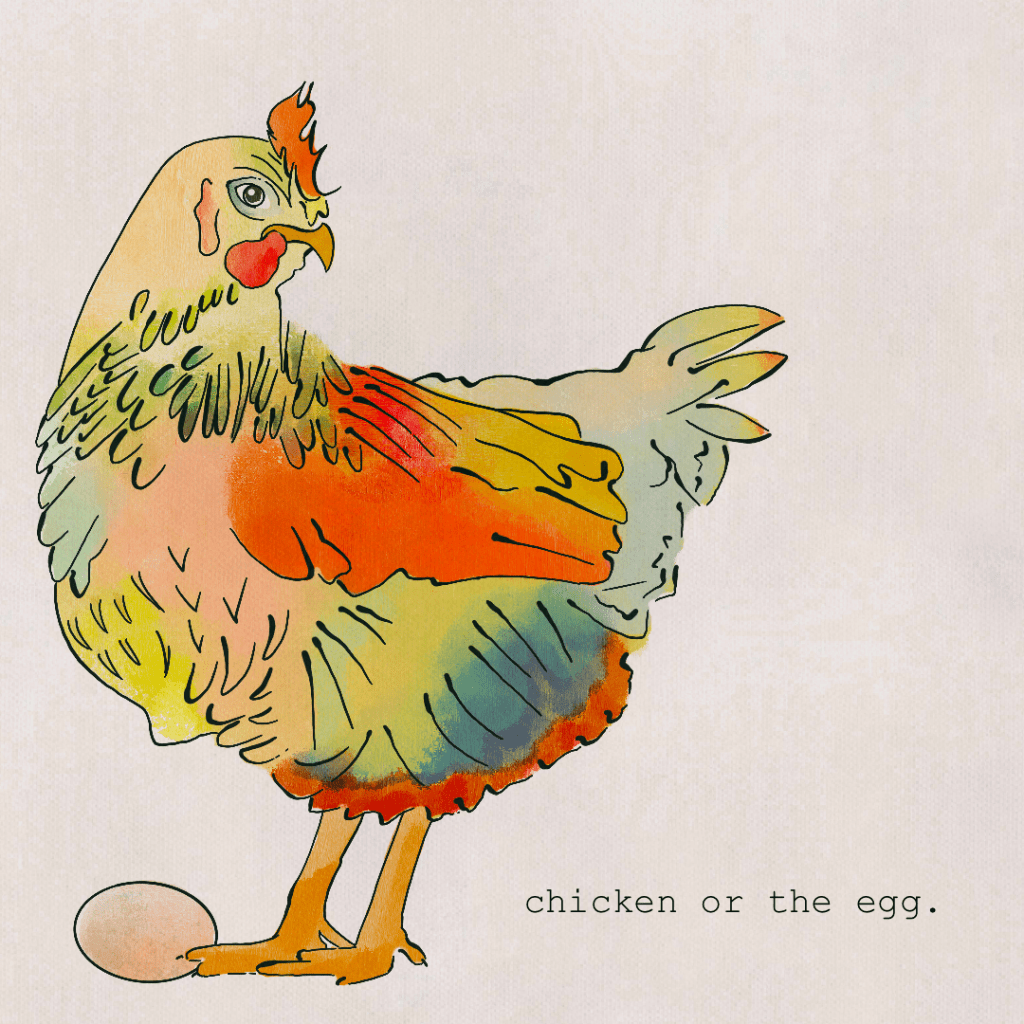
Duff and Coleman are not unique, they are two voices a sea of conflicting advice on how to actually go about building your portfolio, and defining your brand. Particularly when you are a student and do not have an extensive body of work.
However, where there is uncertainty on brand, there is an almost universal consensus on the value of work. In fact, artist Danny Gregory challenges you to, “commit to your creative passion on a regular basis for 730 days.
Showing up consistently.
Not doing it well.
Not doing it professionally.
Not doing it to get likes.
But doing it consistently for two years.” Gregory promises his readers that two years is an absolute game-changer. I believe him.
American cinematographer Brad Rushing had his own revelation when it came to work, he said he realized that he, “…set a goal. I don’t have to believe in myself, I just have to do the steps that I committed to doing to get me through the valley of shadow of death.”
If you hear a voice within you that says you cannot paint, then by all means paint and that voice will be silenced.
Vincent Van Gogh
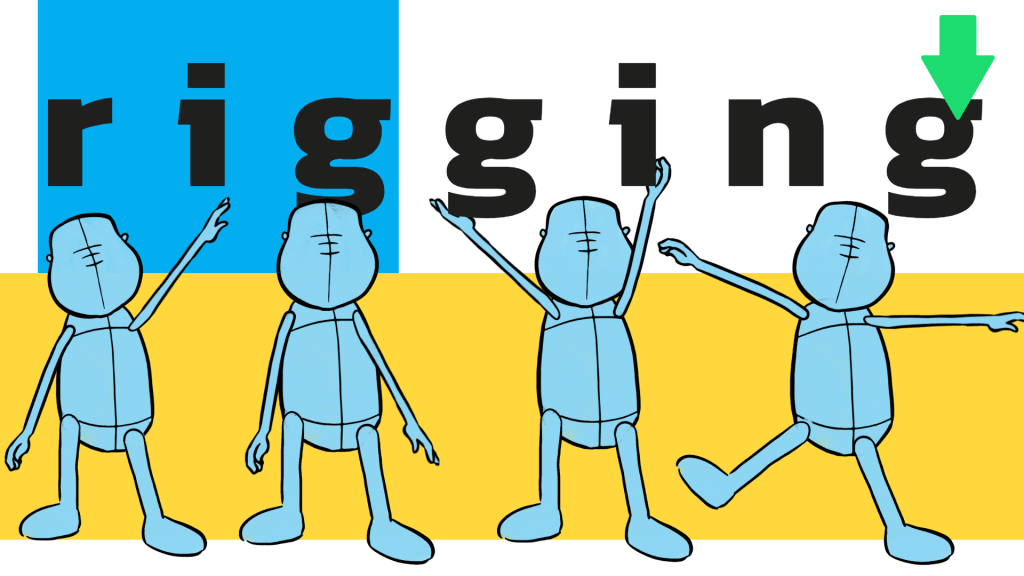
It is still unclear to me how exactly I am going to weave ID with my visual design goals. Which means my website still feels like a “mess.” However, I am committed to continue with my sketchbook, illustrating in procreate, and creating short learning videos in Adobe After Effects. All the other noise I will silence, for now, and continue with the work.


 nikolaidesigns.com
Leave a Reply